Passer à l'action
Défendez les personnes en Slovénie touchées par la suppression des prestations sociales: envoyez une lettre d'appel par poste, e-mail, X/Twitter, Facebook ou Instagram.
| Agir jusqu'au 10 août 2026 |
Modèles de lettre
Frais d'envoi par poste :
Europe: CHF 1.90
Autres pays: CHF 2.50
Suisse (pour les copies à l'ambassade): courrier A: CHF 1.20 / courrier B: CHF 1.–
Envois par poste dans le monde: L'envoi de lettres par poste est possible dans presque tous les pays. Néanmoins, le service peut être suspendu temporairement. Nous essayons de mettre à jour les infos. Pour tenir compte des éventuelles limitations en vigueur, veuillez également consulter les infos de la Poste suisse: Restrictions de circulation ›
Réseaux sociaux : Infos, suggestions et adresses sous GUIDE RÉSEAUX SOCIAUX
Pour plus d'informations sur la participation aux Actions urgentes, cliquez ici (*lien suivra sous peu). Vous pouvez également nous contacter
Partagez la campagne avec vos amis.
Adresses
Premier ministre:
Prime Minister of the Republic of Slovenia
Dr. Robert Golob
Office of the Prime Minister of the Republic of Slovenia
Gregorčičeva ulica 20–25
1000 Ljubljana
Slovenia
E-Mail: gp.kpv@gov.si
Facebook: @Dr.RobertGolob
X/Twitter: @GolobDr
Instagram: @_robertgolob_
Copies à
Amnesty Slowénie
E-mail: amnesty@amnesty.si
Ambassade de la République de Slovénie
Schwanengasse 9
3011 Berne
E-mail: sloembassy.bern@gov.si
Agir sur les réseaux sociaux
Target accounts:
Social Media Accounts of the Prime Minister Dr. Robert Golob
Facebook: @Dr.RobertGolob
X/Twitter: @GolobDr
Instagram: @_robertgolob_
Social Media Accounts of the Government of the Republic of Slovenia
Facebook: @VladaRepublikeSlovenije
X: @vladaRS
Instagram: @gov.si
Suggested Messaging
- Families shouldn’t be penalized by denying them vital social assistance. Social security is a right: restore it now!
- No one should lose social assistance and be pushed into destitution. Social security is a right, not a penalty.
Plus d'info
La Loi relative aux mesures urgentes visant à garantir la sécurité publique («Loi de sécurité»), adoptée par le Parlement slovène le 18 novembre 2025, permet aux autorités fiscales slovènes de saisir les allocations de certaines personnes ayant accumulé trois amendes impayées pour des infractions mineures sur une période de deux ans. Cette loi a été introduite après un accident mortel ayant impliqué une personne rom, et a été accompagnée par une campagne populiste présentant la communauté rom dans son ensemble comme une menace collective à la sécurité, générant un élan politique en faveur de son adoption rapide.
Ce texte supprime des protections cruciales, et étend de manière significative les pouvoirs des autorités fiscales, de la police et de la justice. Ce faisant, il bafoue plusieurs droits, notamment le droit à la sécurité sociale et le droit à la vie privée. Contrairement aux régimes ordinaires restreignant la proportion des revenus d’une personne, ces mesures n’imposent aucune limite véritable aux déductions des aides sociales. Du fait de son adoption précipitée en janvier 2026, cette loi ne prévoit pas de dispositions de nature à protéger les plus vulnérables, notamment en alertant les Centres d’action sociale pour qu’ils fournissent une assistance en nature afin de prévenir l’indigence.
En vertu du droit international, notamment de l’article 9 du Pacte international relatif aux droits économiques, sociaux et culturels (PIDESC), qui est contraignant pour la Slovénie, chaque personne a droit à une aide sociale adéquate afin de garantir un niveau de vie suffisant pour elle-même et sa famille. Le Comité des droits économiques, sociaux et culturels de l’ONU (CDESC) a en outre affirmé que la sécurité sociale est indispensable à l’exercice d’un certain nombre d’autres droits, dont ceux à la nourriture, au logement, à la santé et à la vie.
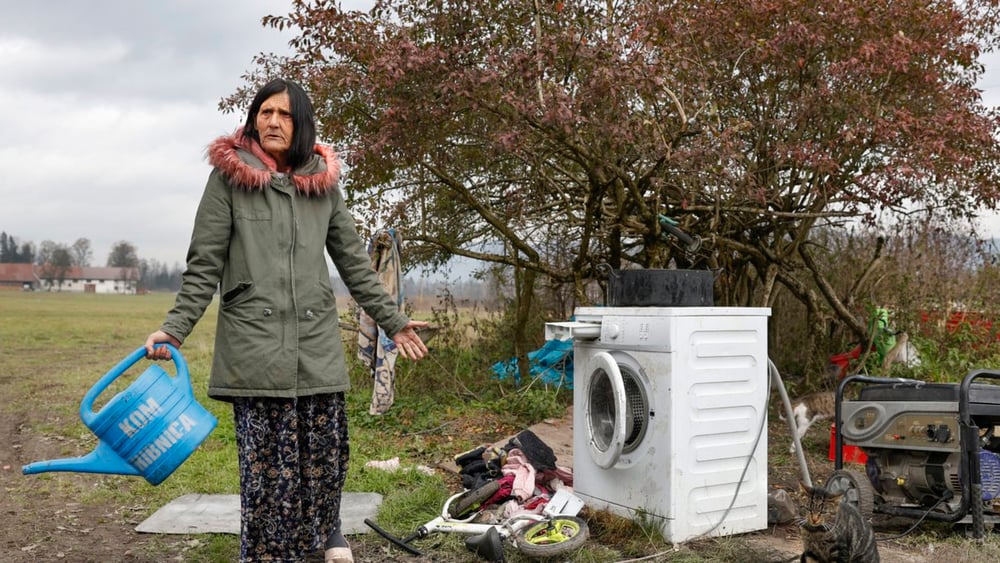
Amnesty International dénonce de longue date la marginalisation des populations rom en Slovénie, notamment leurs conditions de logement déplorables, leur manque d’accès à des services de base, et les obstacles systémiques à l’éducation. L’introduction et la mise en œuvre de cette loi exacerbent des inégalités existantes et exposent familles et individus à un risque immédiat de graves privations matérielles.
_
Slovenia: MPs must reject draconian 'security' bill which puts rights at risk and targets Roma community (Amnesty UK, 14.11.2025)
En détail
| Numéro UA: Date de parution | Actualisé le: Index: |
UA 009/26 10.022026 | - EUR 68/0702/2026 |
| Participation prévue jusqu'au: | 10 août 2026 |
| Action urgente complète (Word): | français english |
| Modèle de lettre uniquement (Word): | français english |
Étant donné que les situations peuvent changer, veuillez vérifier avant d'envoyer votre lettre si la campagne de lettres est toujours active.
English version
People stripped of social support
On 21 January 2026, more than 1’000 individuals and their families in Slovenia were left without critical social assistance, leaving them unable to afford food and other basic necessities and pushing many into destitution. The punitive measure, introduced under the so-called «Security Law» passed in November 2025, allowed the authorities to seize social assistance from individuals who have accumulated at least three unpaid fines for misdemeanour offences over the past two years. This and other measures passed under the Act have disproportionately affected the Slovenian Roma community, who already face systemic discrimination in all spheres of life, including in employment, housing, and education. Amnesty International calls on the Slovenian authorities to immediately stop implementing and enforcing these punitive measures and amend the Act to comply with Slovenia’s human rights obligations.
The Act on Urgent Measures to Ensure Public Security («Security Law»), adopted by the Slovenian Parliament on 18 November 2025, allows the Slovenian Tax Authority to seize social assistance from individuals who have accumulated three unpaid fines for minor offences over a two-year period. The Act was introduced following a fatal incident involving a Roma individual and was accompanied by a populist public campaign that portrayed the entire Roma community as a collective security threat, generating political momentum for its rapid passage.
The Act removes crucial safeguards, and significantly expands the powers of the Tax Authority, police, and judiciary. In so doing it breaches several rights, including to social security, and privacy. Unlike ordinary enforcement regimes that restrict the proportion of a person’s income that is taken these measures impose no effective limits on deductions from social assistance. The Act’s rushed implementation in January 2026 lacked provisions which could have protected the most vulnerable, including alerting the Centres for Social Work to provide in-kind assistance to prevent destitution.
Under international law, including Article 9 of the UN International Covenant on Economic, Social and Cultural Rights (ICESCR) which Slovenia is bound by, everyone is entitled to an adequate level of social security in order to ensure an adequate standard of living for them and their family. The UN Committee on Economic, Social and Cultural Rights (ESCR) has further affirmed that social security is indispensable to the enjoyment of a number of other rights including to food, housing, health, and life.
Amnesty International has long documented the marginalization of Roma communities in Slovenia, including substandard housing conditions, lack of access to basic utilities, and systemic barriers to education. The introduction and enforcement of this Act exacerbate existing inequalities and place families and individuals at immediate risk of severe material deprivation.
_
Please take action before 10 August 2026.
You'll find all necessary adddress- and social media information above. English model letter as a word-file.